

Our Approach
Where people, practice and systems meet
“This work sits at the intersection of lived experience, frontline practice and fragmented systems — where too often people are known to services, but are not truly supported.”
Complexity is rarely the problem in isolation.
The challenge is what happens when trauma, disadvantage, homelessness, safeguarding, disability, health inequality and fragmented services meet — and no single system has the whole answer.
My approach is to understand the whole picture, challenge assumptions and connect the right people, evidence and systems to create better responses.
Grip. Delivery. Change.
I work where systems struggle most — particularly where responsibility falls between services, organisations and professional boundaries.
My approach is simple:
Grip the problem.
Understand what is really happening.
Follow it through.
Connect insight to action.
Be accountable for what happens next.
Focus on outcomes, not just activity.
See beyond the presenting problem
People experiencing multiple disadvantage are often understood through the lens of the service they are trying to access.
A housing problem becomes a housing response.
A safeguarding concern becomes a safeguarding response.
A behaviour becomes a behaviour problem.
But people do not experience their lives in separate service categories.
My approach starts by asking: What is happening here — and what are we missing?
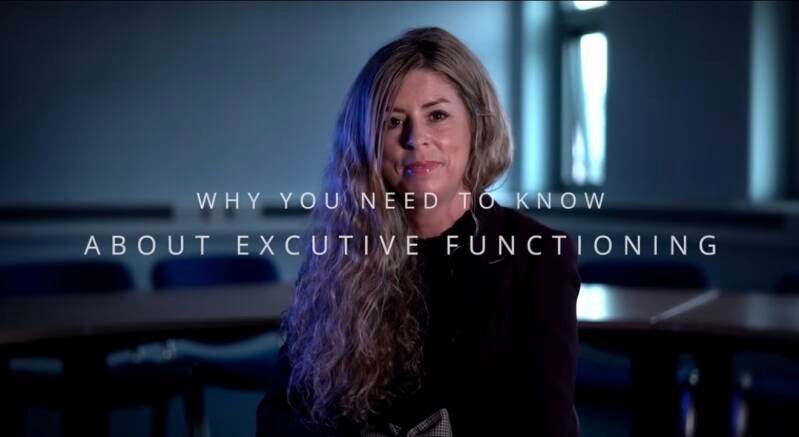
That means looking beyond behaviour, challenging assumptions and understanding the impact of trauma, executive functioning, disability, relationships, poverty and systems on a person's ability to engage and exercise choice.
Put people at the centre
People experiencing multiple exclusion and disadvantage are not simply recipients of services.
They are experts in their own lives.
Lived experience should not sit alongside decision-making as an afterthought. It should help shape practice, services, policy and systems.
I create spaces where people can be heard, where professional assumptions can be challenged, and where experience becomes a source of knowledge and change.
Connect evidence to practice
Research matters when it changes what happens next.
I bring together research, policy, frontline practice and lived experience to ask:
What do we know?
What does it mean?
What needs to change?
And how do we make that change happen?
As a practitioner-academic, I translate complex evidence into practical insight that professionals, organisations and systems can use.
Strengthen practice. Change systems.
Individual practitioners cannot solve systemic problems alone.
Sustainable change requires organisations to examine the conditions in which practice happens — including culture, leadership, policy, professional boundaries and the way services work together.
My work supports organisations to:
Challenge assumptions.
Strengthen professional curiosity.
Build confidence with complexity.
Connect services and disciplines.
Translate learning into action.
A trauma-informed, relationship-based approach
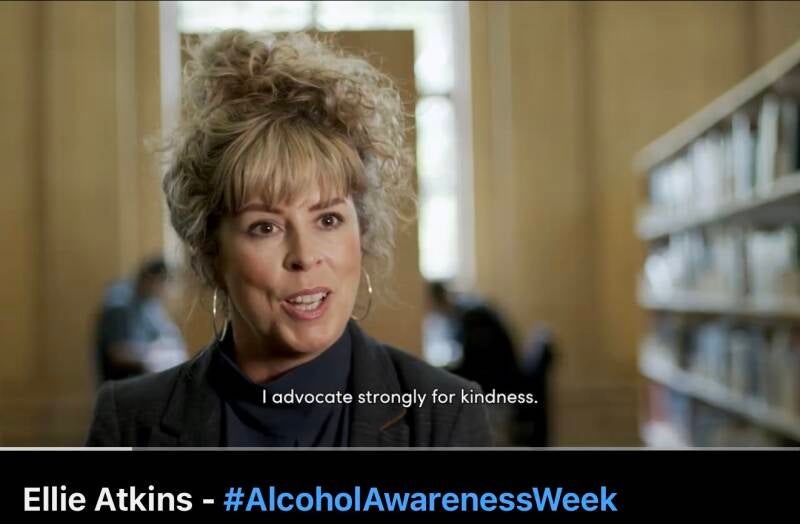
Trauma-informed practice is not simply about being kind.
It means understanding how trauma and adversity shape people's relationships with services, while maintaining curiosity, accountability, dignity and hope.
It means asking not only:
“What is wrong?”
but:
“What has happened?”
“What is getting in the way?”
“What might we be missing?”
“What needs to change around this person?”
From insight to impact
The aim is not simply to understand complexity better.
It is to respond differently.
Better practice.
Stronger professional confidence.
More connected systems.
Greater equity.
Better outcomes.
And ultimately, systems that work better for people who have too often been left at the margins.
It starts with you.
Whether you are a practitioner, organisation, leader, researcher or policymaker, meaningful change starts with the willingness to look differently, ask better questions and do something differently as a result.
That's where my work begins.
Ellie is the Chair of the National Peer Network for Homelessness Social Work in England

The spirit of this Network is a ‘place of belonging’ for us, as social workers across England specialising in the field of homelessness and rough sleeping. We have an exciting opportunity to pool our knowledge and resources and support a national movement for change. We advocate for the right care and support for many misunderstood people in our society, based on our intrinsic motivation to promote human rights, social justice and the self determination of the people we serve.
Over the last few years, key documents have had impact on our practice. ADASS and the Local Government Association (LGA) published ‘Care and support and homelessness: Top tips on the role of adult social care’. There is extensive learning from the harrowing narratives of lives lost, captured in national analysis of homeless thematic reviews and/or SARS. The evidence base is fundamental to our journey as emerging experts in this field.
Bridging Boundaries: International Perspectives on Social Services
European Social Services Conference 2026

People experiencing homelessness face support systems that are not always able to respond effectively to their complex and long-term needs. This session focuses on how social services can strengthen the effectiveness of homelessness responses, leading to more consistent and meaningful outcomes.
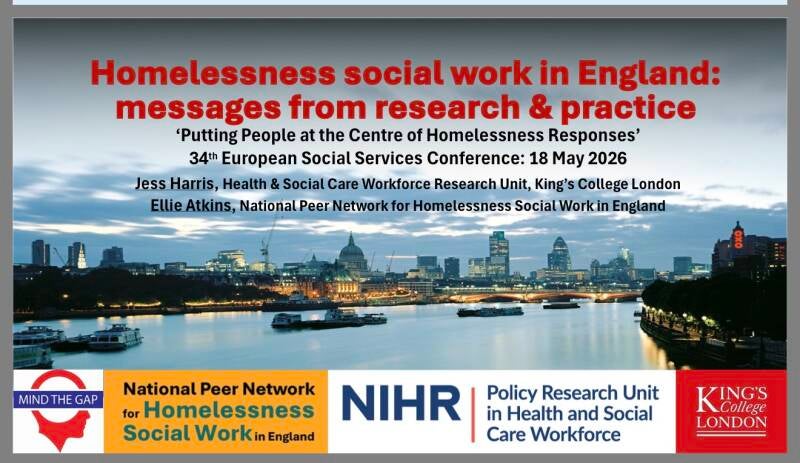
Participants will learn from two different, but complementary approaches developed in Malta and England. Malta’s Building Bridges model shows how harmonising referral and assessment processes across NGOs and public services can improve coordination, reduce duplication, and ensure fairer and faster access to support. King’s College London will present research on homelessness social work in England, and the National Peer Network for Homelessness Social Work will share effective trauma-informed approaches that include close collaboration with other services and building trust with people who have particularly complex needs.
Together, these cases highlight practical ways to improve how homelessness services function, showing how better coordination and specialist professional roles can lead to more effective, humane, and person-centred responses.
Presenters:
- Jess Harris, Senior Research Fellow, Health & Social Care Workforce Research Unit, King’s College London, United Kingdom
- Ellie Atkins, Chair of the National Peer Network for Social Work in Homelessness, United Kingdom


Gallery
Care Act inclusion.

Executive functioning.

Reduce, prevent & delay.

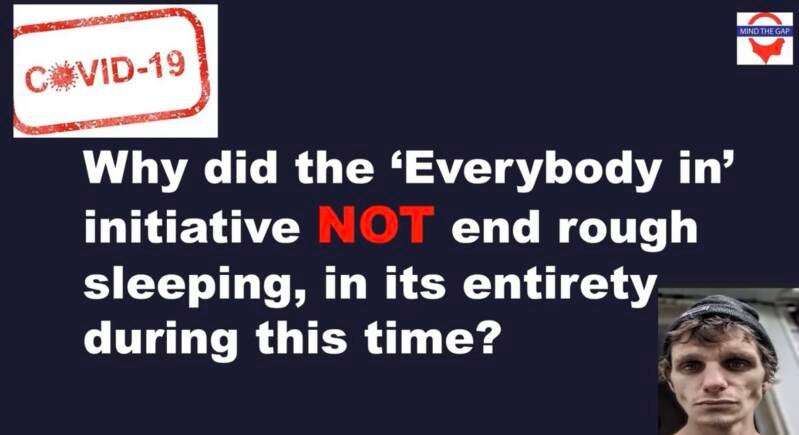
#Askwhy


Research in practice.
Adult social care research lead.

The underground of executive functioning.
Hidden disabilities and differences.

Adult safeguarding.
Adults at risk that experience long term rough sleeping.
"A reminder of what can happen when people come together with shared purpose and compassion."
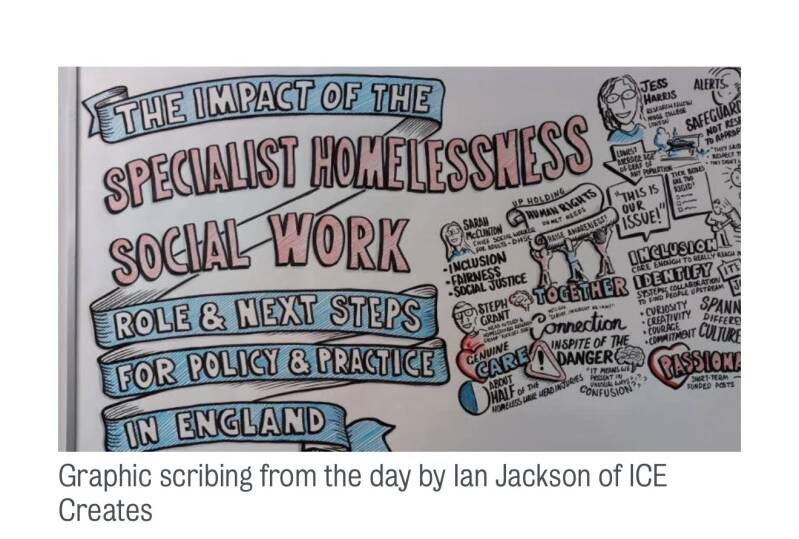
From the National Event: Impact of Specialist Homelessness Social Work role